

One question for each 2026 World Cup team. Can Japan recover from consecutive World Cup heartbreaks?
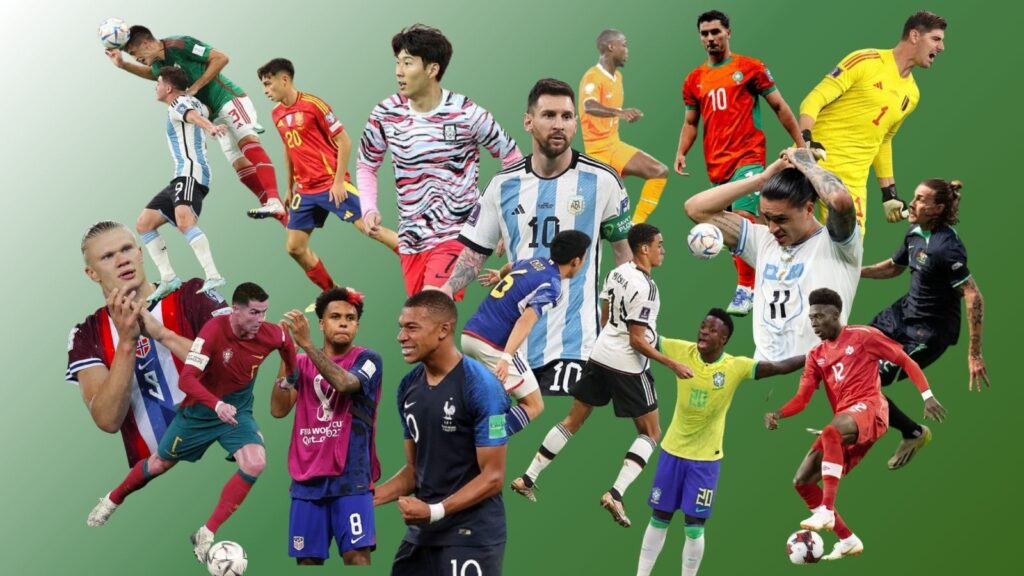
Would you love me in a Bentley? Would you love me on a $95 bus from downtown Boston to Gillette Stadium? Footnote is asking 48 questions, and they’re all about the 48 teams at the 2026 World Cup. This post is part of our Group F preview. You can also read previews of Sweden, Tunisia, and the Netherlands.
Can Japan recover from consecutive World Cup heartbreaks?
So here’s the thing about Blue Lock, the hugely popular soccer manga and anime created by Muneyuki Kaneshiro. The basic premise is incorrect.
The set up of the series is that in the wake of Japan’s round of 16 elimination at the 2018 World Cup, a guy named Jinpachi Ego launches a cutthroat training program to create the perfect egotistic striker, based on the belief that Japan needed to a more self-centered, self-optimized goalscorer to have any chance of winning the World Cup.
The problem is, that isn’t at all why Japan were knocked out in 2018. Japan lost to Belgium because after building a 2-0 league — off the back of great individualistic finishing, mind you — they failed to successfully defend set pieces. That wasn’t a team that needed a striker; it needed a goalkeeper and maybe a couple of center backs.
But while Blue Lock is built on a foundational misunderstanding of that 2018 World Cup loss in particular, the dream of a Japanese academy designed to produce a singular guy who will just score a ton of goals does capture the singular pain of Japanese football in the 2000s: The Samurai Blue always find a way to not quite win.
Japan’s 2022 exit was especially cruel coming off of the back of 2018. After memorable group stage wins over Germany and Spain, Japan outplayed Croatia for long stretches of their round of 16 matchup before three truly terrible penalty attempts in the shootout sent them home. That was Japan’s second penalty shootout loss of this century, after being eliminated by Paraguay on spot kicks in 2010.
May Jinpachi Ego has a point. Maybe Japan just need someone to take control and score these critical goals that they are missing.
Of course, that’s not really how soccer works, and Blue Lock isn’t really about real-world soccer anyways. But Japan have been knocking at the door of the quarterfinals for two decades, and failing in increasingly heartbreaking ways.
In the eight real-life years that have passed between that Belgium loss and this World Cup, Japan have not happened upon a singular ego-driven striker. What they do have, however, is a squad that is marginally better than what they had in 2018 or 2022.
One key improvement is in goal, where rising Serie A star Zion Suzuki will replace J League veteran Shuichi Gonda. Suzuki will start behind a back three that usually features some combination of Bayern Munich defender Hiroki Ito and Feyernoord centre back Tsuyoshi Watanabe.
An interesting addition to Japan’s defense is the possibility of Takehiro Tomiyasu, who had been a key part of some very good Arsenal squads before his career was derailed by injury. A tall, strong, and skilled defender capable of playing both centerback and out wide, a healthy Tomiyasu would go a long way to shoring up the Japan defence.
The other key player just returning from injury for Japan is team captain Wataru Endo. The Liverpool midfielder developed a reputation as one of the more dependable defensive midfielders in Europe during his time with Stuttgart, and is recovering from a food injury just in time to return to the center of the pitch for Japan.
That midfield is probably the side’s biggest strength, with solid experienced pros like Daichi Kamada and Ritsu Doan who are capable of both helping get the ball up the pitch and contributing to the attack.1I will always probably overrate Kamada because of his role in the 2022 Europa League winning Frankfurt team, when he always seemed to be popping up with a key goal for a team that sometimes played the best football in Europe.
Speaking of Blue Lock, Japan’s biggest hurdle at this tournament might be scoring goals, but not because they are missing an egoist striker. Japan’s two best chance creators, Takumi Minamino and Karou Mitoma, will both miss the World Cup through injury.
Japan’s greatest asset is their all around competence, but it’s also what causes theri consistent heartbreak. Japan are always good enough to get close to the quarterfinal, but never quite good enough to make it all the way there.
In 2026, the plan will be that a solid defense and good midfield play will be enough to keep them in games, and that after two World Cups of things going wrong at the last minute, this is the year they get the right bounces.
Leave a Reply