

One question for each 2026 World Cup team. Is this the World Cup where Australia gets rewarded for two decades of competence?
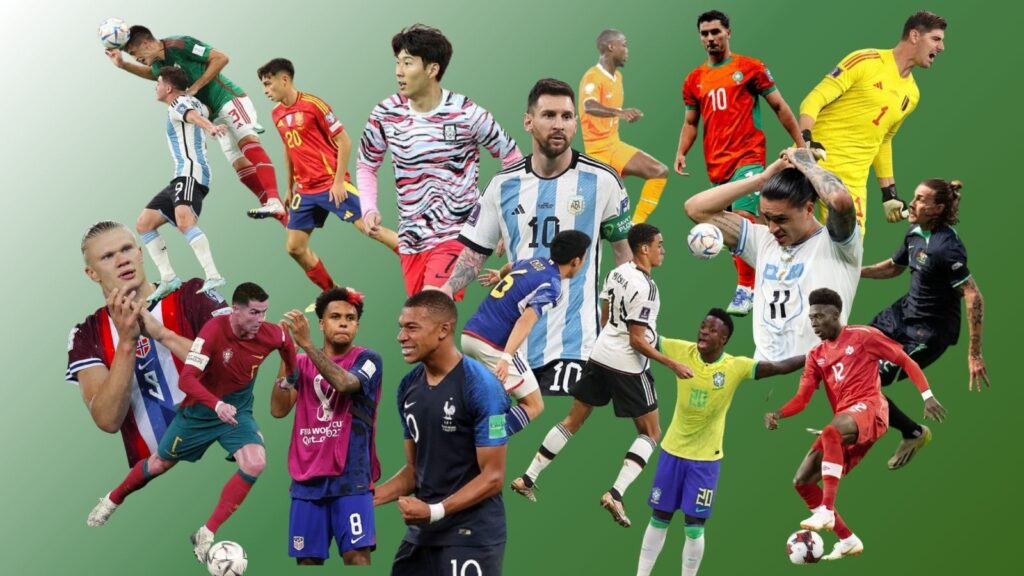
Would you love me in a Bentley? Would you love me on a $95 bus from downtown Boston to Gillette Stadium? Footnote is asking 48 questions, and they’re all about the 48 teams at the 2026 World Cup. This post is part of our Group D preview. You can also read previews of the United States, Paraguay, and Turkiye.
Is this the World Cup where Australia gets rewarded for two decades of competence?
Australia have quietly been a solid international soccer team for 20 years, but with almost nothing to show for it.
Since qualifying for their first modern World Cup and switching over to AFC from Oceania in 2006, the Socceroos have always been at the tournament and frequently been quite good. Australia have qualified for the knockout stages twice, and have performed well even in their group stage exits, including a 2010 campaign in which they were unlucky to be eliminated despite a win and draw and a winless 2014 tournament in which Tim Cahill scored one of the iconic World Cup goals in a back-and-forth loss to the Netherlands.
But despite this near-constant competence, Australia are still waiting for a true breakthrough moment. Despite immediately establishing themselves as an AFC powerhouse, Australia have only secured one Asian Cup title since changing regions, and they are still waiting for a knockout stage victory at the World Cup.
Heading into the 2026 tournament, Australia are yet again built for quiet competence, and will hope that their work steadily chipping away at the World Cup will finally pay off.
The current Socceroos squad is light on big-name European-based stars. While past Australian teams featured Premier Leagues stars like Cahill and Mark Viduka and Harry Kewell and even Crystal Palace stalwart and career penalty kick perfectionist Mile Jedinak, the current squad is probably best exemplified by their captain, Jackson Irvine.
Irvine is a skilled tradesperson, not an artist. He doesn’t score goals or play through balls, but he does do a million other useful things and are important to his teams in the middle of the field. He is a classical box-to-box — but not actually inside the box — midfielder, meaning he does a little bit of just about everything except for scoring goals and getting assists.
Irvine is the lynchpin of a side that features lots of Irvine-like players: Solid professionals who do good, unspectacular work for less prestigious European team.Australia’s key players will be people like Feyernoord’s Jordan Bos or Parma’s Alessandro Circati or veteran Swansea center back Cameron Burgess: solid and dependable defenders who will make things difficult for opposing players and won’t make massive mistakes.
And lest this sound like an uninspiring description of a team, it’s worth noting that this Australia team very nearly pushed Argentina to extra time at the last World Cup. Through a combination of poor finishing from Lautaro Martinez and a slightly lucky own goal, Australia very nearly came back from 2-0 down against the eventual champions in the round of 16 in Qatar. Only a point black Emiliano Martinez save prevented a famous Aussie comeback.
So all this to say, it’s not like Australia would need to be that much better than they have been — or that much luckier — to manage a quarterfinal.
While other teams have fluctuated wildly over the past 20 years, Australia have remained solidly good, even as they have lost some of the top-end talent that defined the teams of the earlier 21st century. If more hypothetically talented teams flame out this summer, this is a dependable side that has an opportunity to take advantage.
Leave a Reply